
Quantum Community Artist Interview: Acacia Johnson
We sat down with Acacia Johnson to learn more about her vision and what brought her to create the collection "Polaris."


Acacia Johnson is an artist and photographer based in Anchorage. Drawn to painterly light and otherworldly landscapes, her work has focused on the environment, conservation, and the connections between people and place.
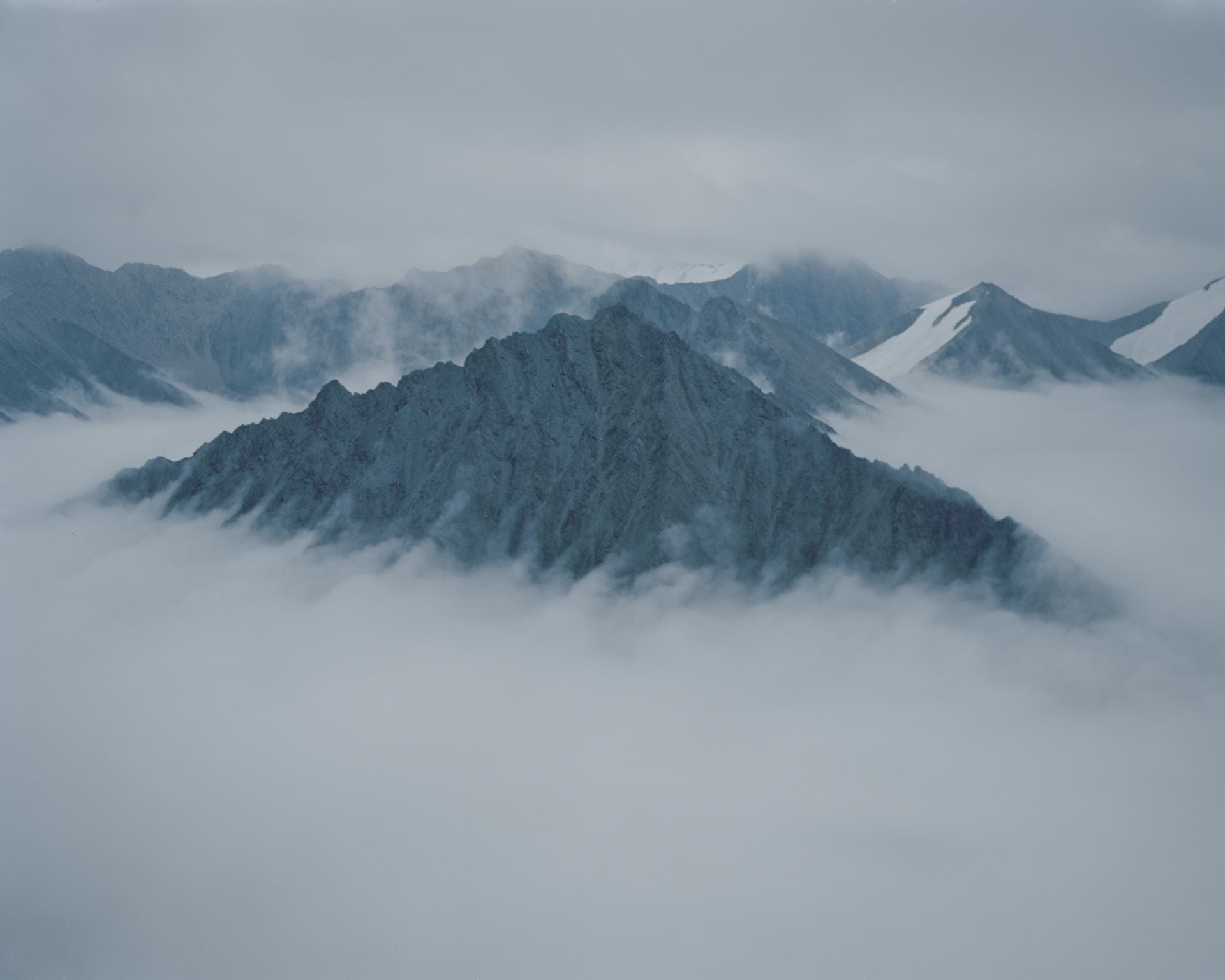
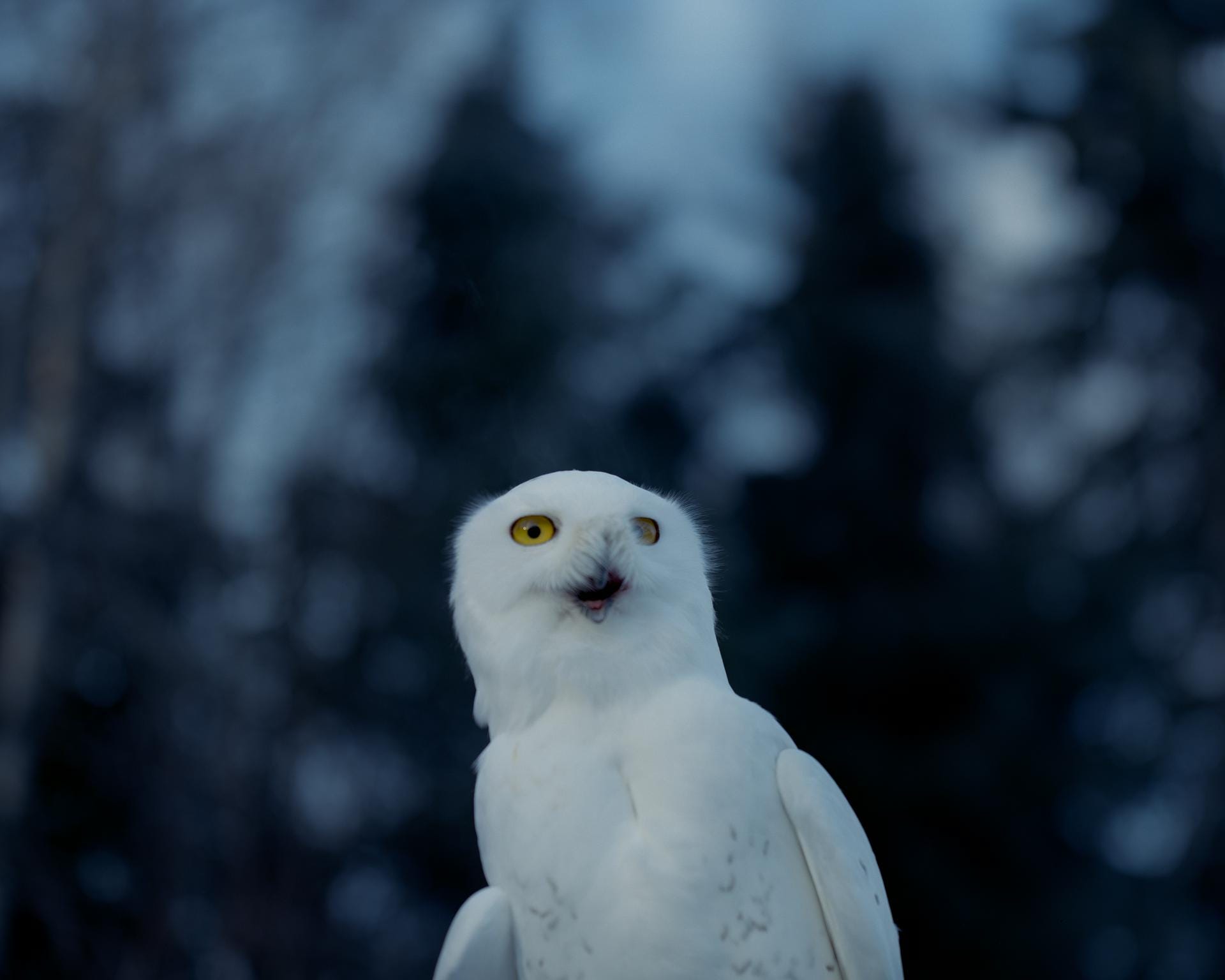
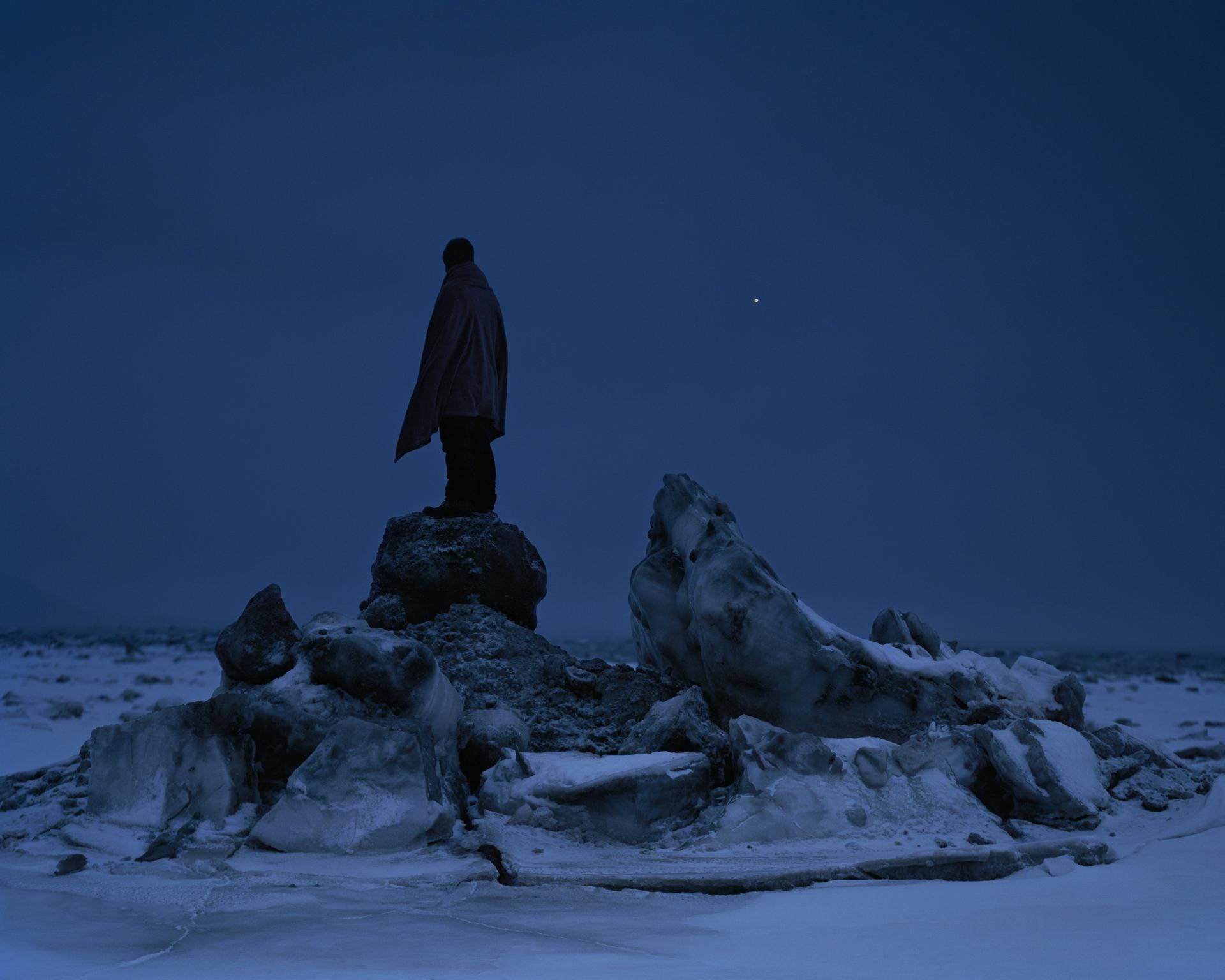
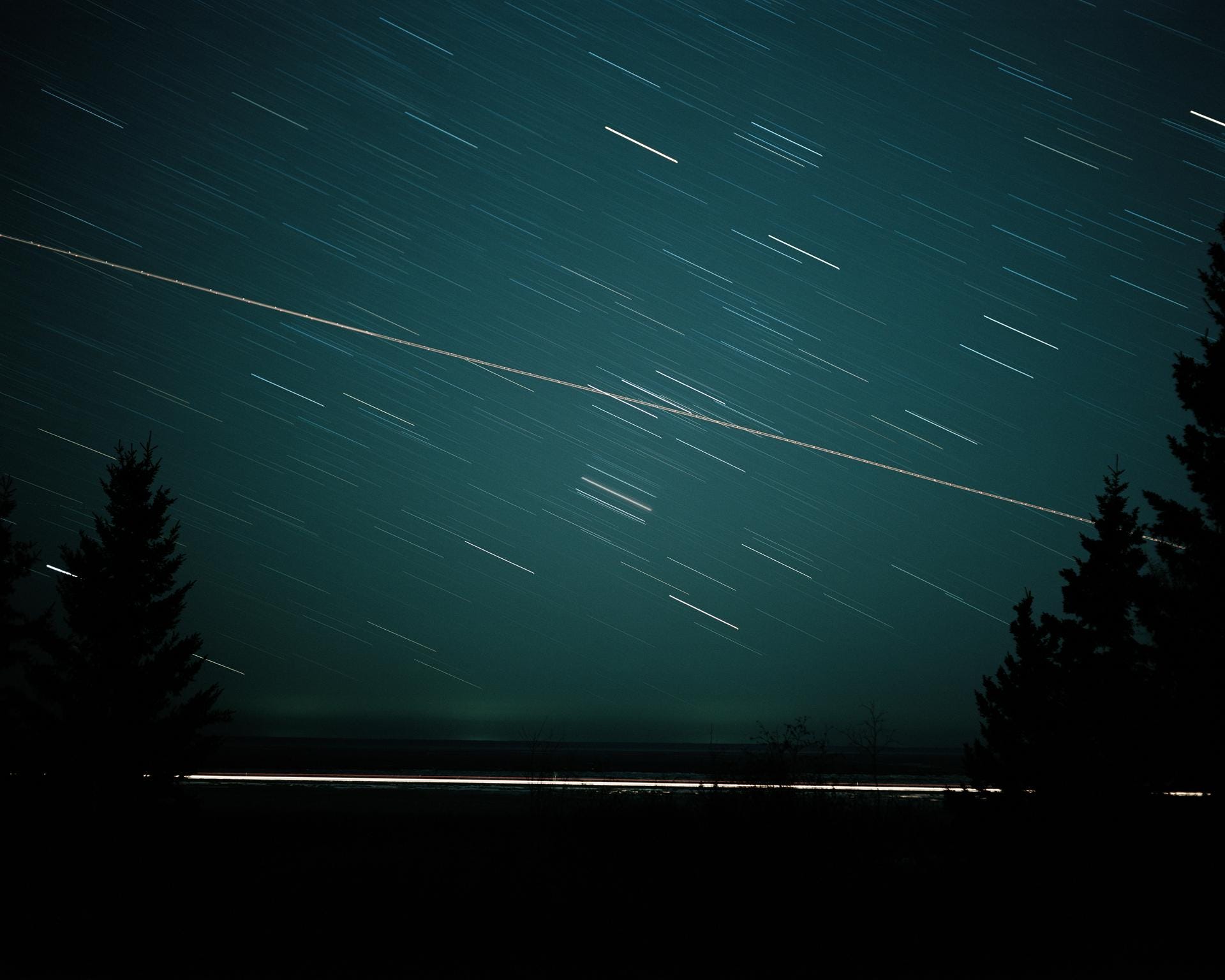
Polaris is a meditation on otherworldly encounters in the Circumpolar Northern landscape. At once an inward and outward exploration, the images reflect my childhood perception of natural world: a realm of wonder, mystery, and sometimes magic.
We sat down with Acacia Johnson to learn more about her vision and what brought her to create the collection "Polaris." You can now find this inspiring collection on Opensea.
Quantum
Who have been your biggest artistic influences, and why?
Acacia Johnson
I was photographically “raised,” you could say, in the world of fine-art, large-format photography. Thomas Joshua Cooper gave a talk at RISD when I studied there; he spoke about photography as a way of making something physical and terrestrial out of something celestial. That really resonated with me, as well as the vast geographic distances he traveled to make his images, and the reasons he made them. “You get a life from making certain types of decisions,” he told us. Justine Kurland, Sally Mann and Ragnar Axelsson were other big influences I met in person during that time. I also love photobooks–Alec Soth comes to mind, probably unsurprisingly. The way that books make you see and create connections between images, to me, is like creating new neural pathways in the brain. It has deeply shaped how I think about editing any body of work. In the documentary realm, Erika Larsen and Evgenia Arbugaeva have been big influences. I admire their deep dedication to the places and the people they work with, above all else. In addition to visual arts, I’ve been influenced by nature writers who write with a certain energy, like Barry Lopez and Annie Dillard. Lopez’s Arctic Dreams, in particular, with its transcendent portrayals of northern landscapes and life cycles, was like a personal guidebook to me for a chapter of my life.
Quantum
What was the process of creating the artwork for this collection?
Acacia Johnson
Polaris is a meditation on otherworldly encounters in the Circumpolar Northern landscape. I grew up in Alaska, and throughout my life, I’ve occasionally experienced moments of interconnectedness in the outdoors that almost border on mystical experience. Polaris, in short, emerged from a desire to photograph whatever that was. Shortly after learning how to use a 4x5 view camera, I returned home to Alaska to seek out the sense of magic that I had perceived in the landscape as a child. I wanted to find out if I could still see the world that way, and if so if I could turn it into something that other people could see. Some of the images reconstruct a childhood mythology in the boreal landscape where I was raised. Some of the pictures came to me in dreams. But I soon realized that what I was looking for was not actually something I could define in advance, but rather a way of seeing: of looking intensely for a sense of presence inherent in a place. I wanted to see if that kind of vision could translate to other Northern landscapes that shared certain affinities with where I was from. So I made two trips: one to the Alaskan Arctic, with my father, and the other to Iceland. When I was working, I would traverse the landscape, usually on foot, in a receptive state of mind. I decided to trust that if there was a photograph in the landscape, I would know it when I saw it. They were intuitive journeys, sometimes physically challenging, but over time the kinds of transcendent experiences I was searching for did in fact reveal themselves. Those are what the photographs are made of.
Quantum
Precisely what is it you want to say with this collection, and how do you get your artwork to say that?
Acacia Johnson
The images in Polaris are otherworldly, but they are taken in the real world, in real landscapes. I find it curious that the words we typically use to describe this type of powerful beauty or presence is to suggest it is not of this earth. I think that one of the most critical issues of our time is an increasing disconnect with the natural world; I want the collection to be a reminder that this kind of otherworldly beauty is ours, it is of this earth if we look for it. Through these images, I want viewers to experience a sense of wonder, to reconnect with a subtler way of looking at the natural world that they can take with them. Photography, like literature, helps us do this when we take an active role in interpreting what we see, instead of instantly labeling or judging, as humans are prone to do. Many of the images in Polaris help reestablish this engagement by deliberately disorienting the viewer as to context or scale. You have to engage, to bridge the gaps mentally yourself, to get your bearings within it. And in that way you take part in the scene; you engage in the experience of wonder. Of course, there’s the whole backdrop of climate change, too, although I wasn’t thinking of that directly when I made this work. The climate is changing faster in the Circumpolar North than anywhere else, yet its regions can easily be written off as remote, uninhabited, “worthless,” and many decisions about them are made in big cities further south. I hope that these images can help viewers consider what such a place might mean to them. Wonder is a powerful motivator to care for a place, to want to take action.
Quantum
Is there a piece that embodies the overall collection and can you share the story behind it?
Acacia Johnson
There’s one picture from Arctic Alaska that comes to mind because it evokes such a wide range of interpretations from people. In the photograph, a stream of meltwater pours from the roof of an ice cave, connecting with the floor. Many people see the roof of the cave as a sky. This photograph happened when I was camped in the Brooks Range with my father in August 2013. It was an expansive tundra valley flanked by austere mountains, very green and muted brown, soft overcast light. We went for a long walk into the landscape; as usual, I was looking for something I couldn’t yet define, but I knew I would know it when I saw it. We came upon huge, braided rivers covered by aufeis, a type of ice that covers rivers year-round in certain parts of northern Alaska and Siberia. Along its edge, we discovered an ice cave. I left my father at the entrance and crawled into the back of the cave with my 4x5 camera. I turned a corner, and here was this channel of meltwater connecting the roof of the cave with the floor. In that moment, I felt like I had been transported to another dimension. That was it. It was only later that I learned that aufeis is a fairly rare ice phenomenon; what I had photographed was its active melt. When I look at this image, I think about making that trip with my father, how much has changed so rapidly across the span of one generation. I think about the responsibilities towards our childhood landscapes we carry forward with us. The shape of the water reminds of an hourglass: time running out.
Quantum
How did you first encounter NFTs and Cryptoart, and when did it click for you that there was a lot of potential here?
Acacia Johnson
I first became aware of the NFT space through Reuben Wu. His work is such a natural fit for a digital art space, but it took a while for me to see how my work might fit. With the rise of NFT photography, I’ve discovered amazing photographic artists whose work I otherwise never would have seen. It has also allowed me to reconnect with artists whose work I’ve long admired but in a much deeper way. I don’t know if it’s because it’s more community-based or artist-driven, but there’s a sense of authenticity, if you look for it, that I haven’t personally experienced elsewhere in the art world. It feels empowering to the artists, above all else. The connections between artists and collectors feel especially vital here.
Charity components: The artist has agreed to donate 2.5% of primary sale revenue to a charity of their choice. Quantum will allocate 2.5% of primary sale revenue to carbon reduction initiatives.
Artist Socials:
https://twitter.com/_AcaciaJohnson
https://instagram.com/acacia.johnson
https://www.acaciajohnson.com/polaris
“Polaris” on open sea Open Sea Link